Judge Barred Jack Smith From Reading His Own Trump Report Ahead of Deposition
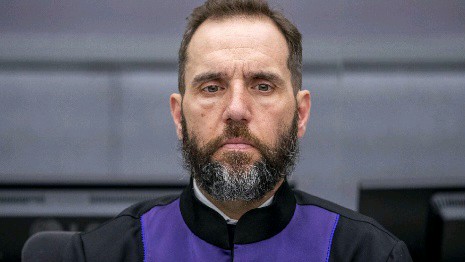
In a remarkable display of caution shaped by ongoing judicial constraints, former special counsel Jack Smith declined to discuss the contents of his still-sealed report on the Mar-a-Lago classified documents investigation during a closed-door congressional deposition, even refusing to refresh his memory by reviewing his own work.
A newly released 250-page transcript of Smith’s December 17, 2025, testimony before the House Judiciary Committee, made public on New Year’s Eve, reveals the lingering influence of U.S. District Judge Aileen Cannon’s injunction over Volume II of the report—nearly a year after Smith submitted it and months after the underlying criminal cases were terminated.
While Smith vigorously defended the integrity and apolitical nature of his probes into Donald Trump, his reticence on the classified documents matter highlights the enduring complications from Cannon’s rulings, which continue to shield potentially damaging details from public view despite widespread calls for transparency.
Jack Smith’s Legacy–A Polarizing Figure in High-Stakes Trump Investigations
Jack Smith, a veteran prosecutor with a reputation for tenacity, was appointed special counsel in November 2022 by Attorney General Merrick Garland to oversee two federal investigations into Donald Trump: the retention of classified documents at Mar-a-Lago and efforts to overturn the 2020 election, including January 6 events.
His tenure produced sweeping indictments, but both cases collapsed after Trump’s 2024 election victory— the election interference prosecution dismissed on immunity grounds post-Supreme Court ruling, and the documents case thrown out by Judge Cannon on special counsel appointment validity.
Smith’s four-volume final report—Volume I public, Volumes III and IV addressing January 6 (partially released), and Volume II detailing Mar-a-Lago—remains the most secretive. Submitted to Garland in early 2025, it has never been fully disclosed, with Cannon’s January 2025 injunction maintaining seal even after co-defendant cases against Walt Nauta and Carlos de Oliveira ended.
Unlike predecessors Robert Mueller, John Durham, and Robert Hur—who testified publicly about their reports—Smith’s appearance was private at Chairman Jim Jordan’s insistence, fueling Democratic accusations of shielding unfavorable content.
The Deposition–Defending Integrity While Bound by Judicial Order
During the December 17 session, Smith staunchly rejected suggestions of political bias, affirming his team’s actions in both probes were grounded in evidence and law. He praised FBI professionalism and emphasized independence from Biden administration influence.
However, when pressed on Mar-a-Lago specifics—Volume II contents, investigative findings, or reasons for continued sealing—Smith repeatedly demurred, citing Cannon’s injunction. Democrats framed this as an effective “gag” preventing discussion of “President Trump’s crimes,” including “stealing and lying about classified documents” stored in public areas at his club.
Smith acknowledged DOJ provided access to probe files for preparation, likely including Volume II, but he deliberately avoided reviewing it. Explaining his caution, he stated a desire to avoid any action “remotely construed as violating that order,” especially as a private citizen no longer with DOJ.
He confirmed Cannon’s injunction as the sole “reason” for silence, noting ultimate release decisions rest with Attorney General Pam Bondi.
This self-restraint—even declining to refresh recollection on his own work—underscores lingering judicial power over former prosecutors long after cases close.
Cannon’s January 2025 order sealed Volume II amid the then-pending criminal case. Despite prosecution termination and co-defendant dismissals, the injunction persists.
Nonprofits Knight First Amendment Institute and American Oversight intervened in February 2025 to unseal in public interest, arguing no ongoing harm justified secrecy. Cannon delayed ruling for months, prompting appeals. The 11th Circuit rebuked her for “undue delay” in November, imposing a 60-day deadline.
On December 22—post-Smith’s testimony—Cannon denied interventions, preserving the seal. Both groups immediately appealed, setting potential higher-court review.
Critics contend the injunction uniquely protects Trump from report contents potentially detailing obstruction or mishandling evidence. Supporters argue judicial discretion over sealed materials warrants caution.
What to Know
Smith’s testimony illuminates extraordinary judicial influence extending beyond case dismissal. Cannon’s rulings—appointment invalidation, special master appointment (reversed), and prolonged sealing—consistently favored Trump, drawing bias accusations.
Her injunction effectively muzzling Smith on his findings raises separation-of-powers questions: Can district judges indefinitely suppress special counsel reports post-prosecution?
Politically, sealed Volume II fuels speculation it contains unflattering details—perhaps stronger obstruction evidence or witness accounts—Trump prefers hidden. Smith’s fear of retribution, alluded to as proceeding with “eyes wide open,” reflects concerns in Trump’s second term over targeting former investigators.
Comparatively, Mueller, Durham, and Hur reports faced public scrutiny and congressional testimony, enabling accountability debates. Smith’s muted voice denies similar discourse on one of history’s most scrutinized probes.
Legally, 11th Circuit review could clarify post-case sealing authority and public access rights to investigative reports. Success for intervenors might force Bondi disclosure decisions; failure entrenches judicial shielding of executive actions.
Broader chilling effects loom: Prosecutors hesitant on high-profile cases if reports remain indefinitely sealed or weaponized selectively.
Political Reactions
Transcript release sparked partisan divides. Republicans highlighted Smith’s caution as respecting rule of law; Democrats decried it as enabling cover-up of “crimes.”
HAPPENING NOW
- Court Slams ‘Government Retribution,’ Restores Whistleblower Lawyer’s Clearance
- Federal Judge Blocks Trump Administration’s Attempt to Defund CFPB, Citing Vought’s Own Words and Flawed Legal Theory
- Babson College Freshman Captured by ICE Goons at Boston Airport and Deported
Advocacy groups renewed unsealing calls, arguing public interest outweighs speculative harms.
Smith, now private, has not commented further but signaled willingness for public testimony absent constraints.
With appeals active at the 11th Circuit, 2026 could bring resolution—possibly remanding for reconsideration or overturning the injunction. Outcome may pressure Bondi on partial or full release.
Regardless, Smith’s testimony archives a unique moment: A special counsel, eager to explain work, silenced by lingering judicial order favoring investigated subject.